The regions of Spain on your table
Spanish food isn't one cuisine. It's eight or more, depending on how you count. Each region keeps its own pantry, its own rhythm, its own way of opening a meal. We cook from across all of them. The four northern regions are where we grew up. The rest are the ones we keep coming back to, summer after summer, the way you keep coming back to a friend's house because the kitchen is right.
Asturias
The cliffs above the Cantabrian Sea, the fishing villages where the boats still come in at dawn, the cider houses where you pour from a meter above the glass. Asturias is fabada, the slow bean-and-pork stew that runs through every Asturian winter, and queso de Cabrales, the blue cheese aged in mountain caves. We cook the food we grew up eating, and we say where it's from.
Cantabria
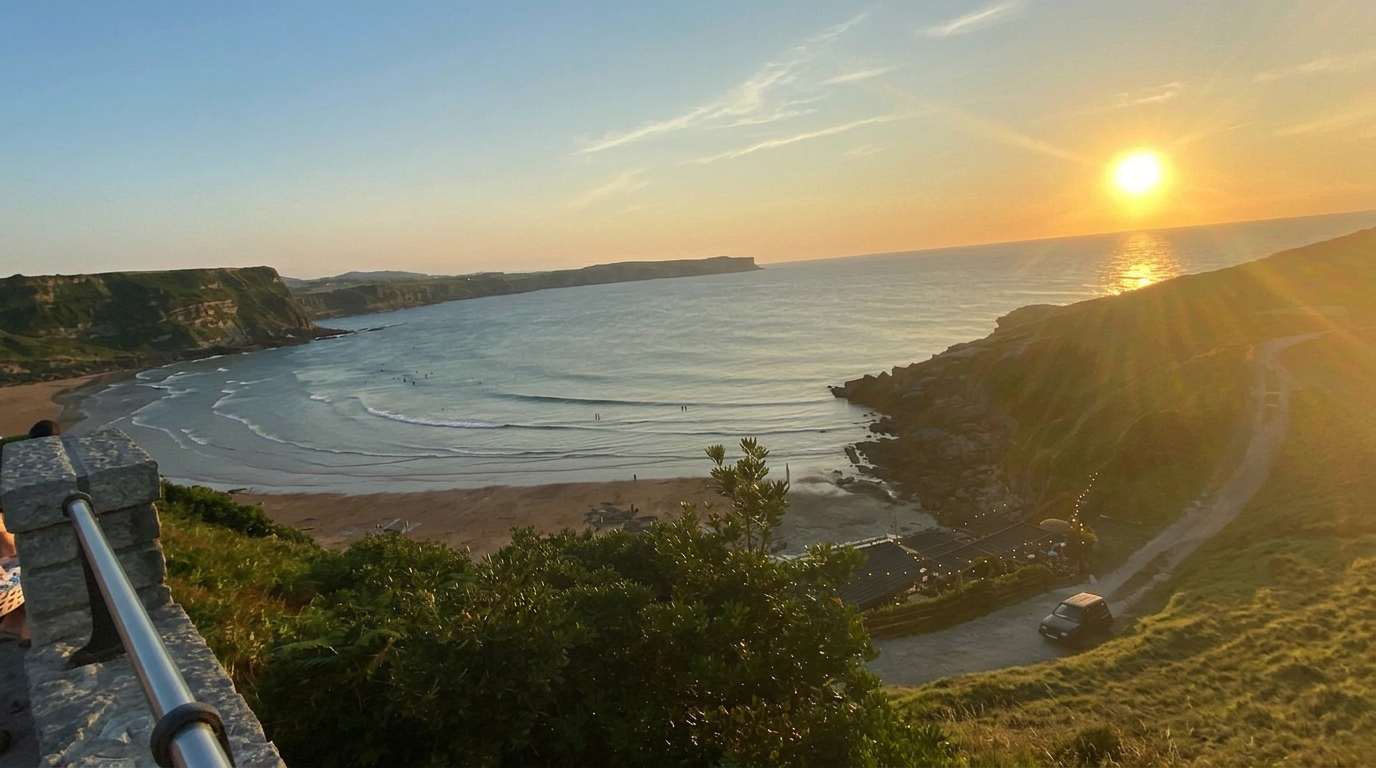
The smallest of the northern regions, and the one the brand is named after. Sobao pasiego, the buttery sponge cake from the Pasiega valleys. Anchoas de Santoña, salt-cured anchovies from the fishing village whose name they carry. The Cantabrian Sea itself, which gave the region its name and gave us ours.
Galicia
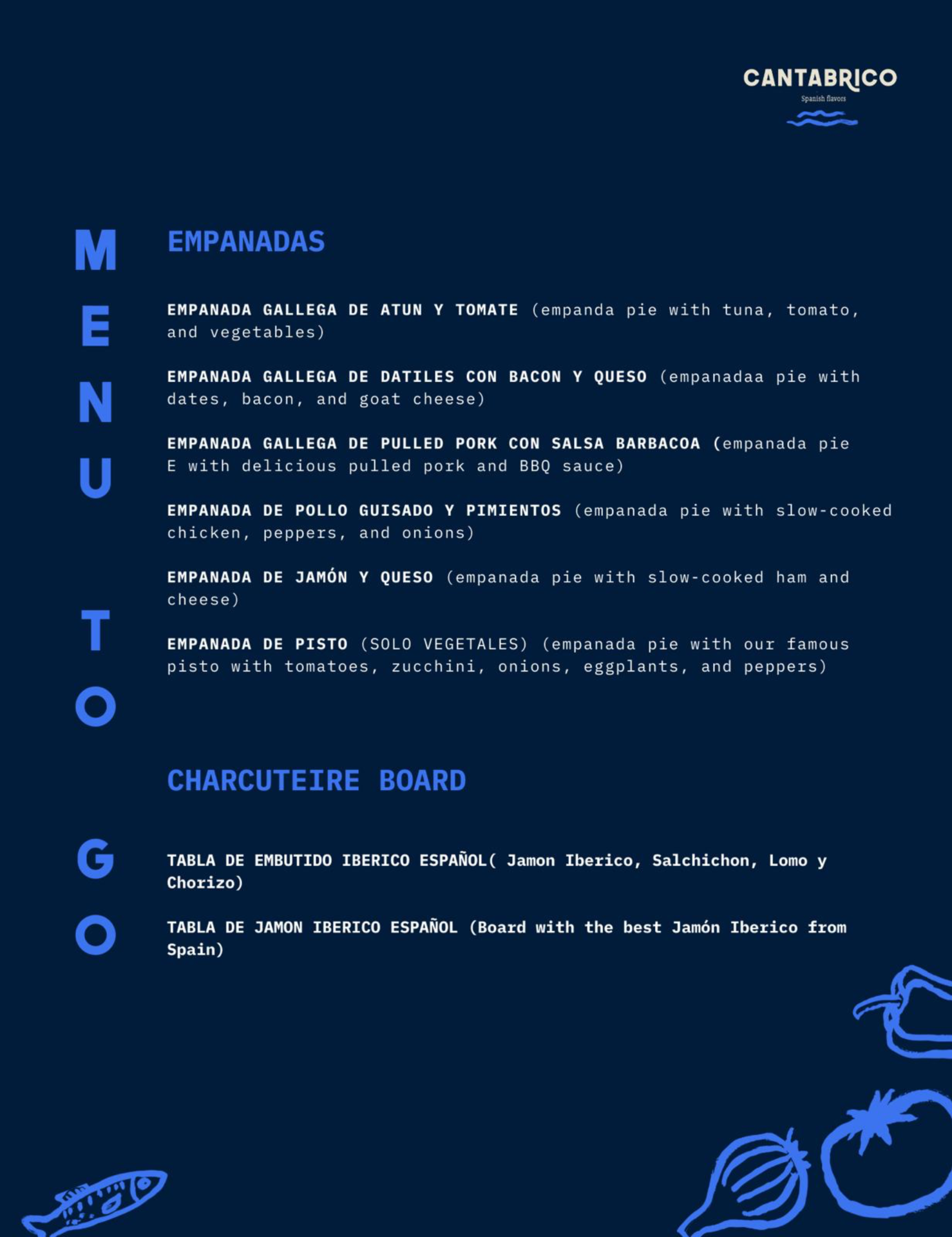
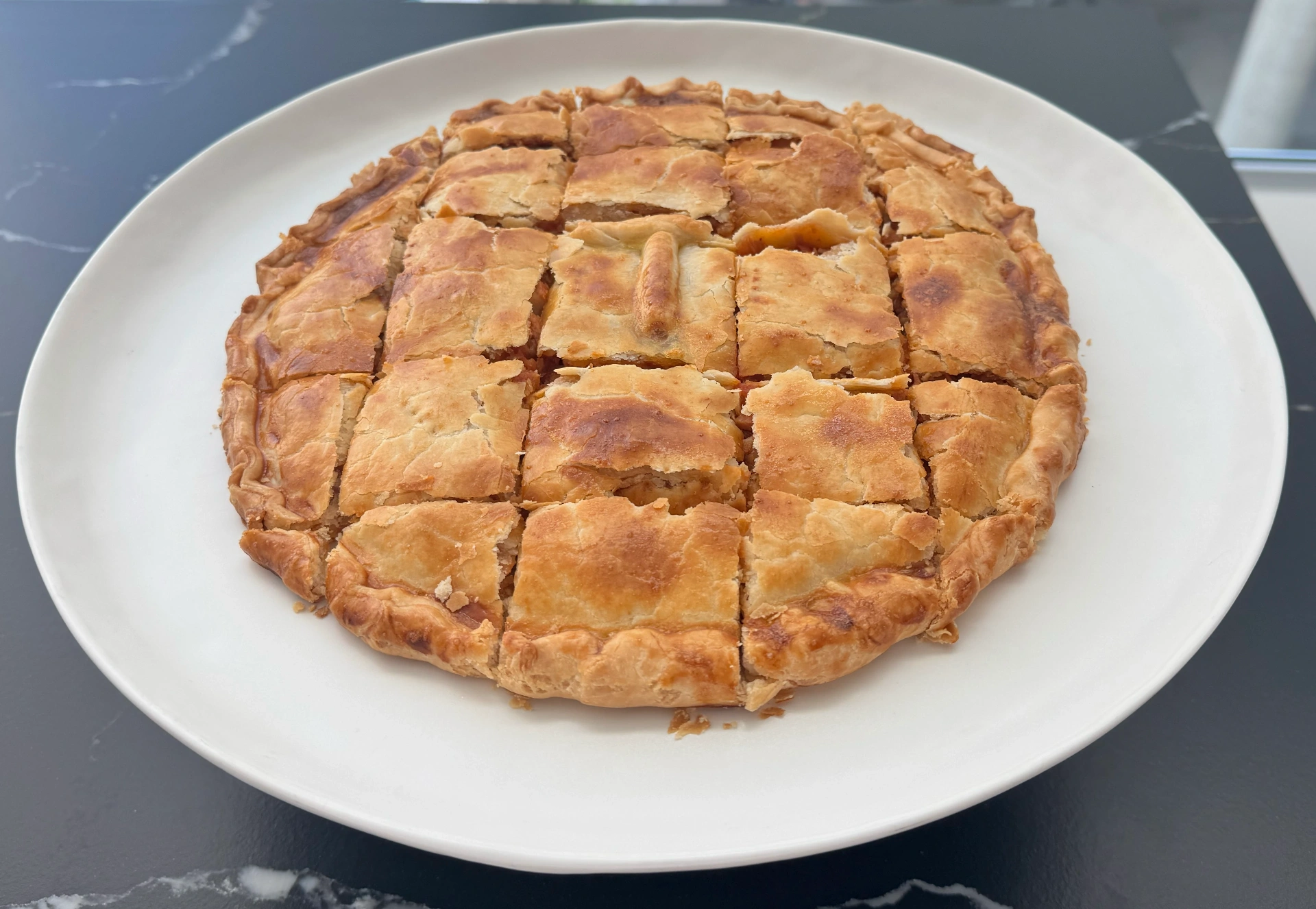
The northwest corner. Atlantic-fed, Celtic-rooted, rain-fed and green. Galicia is pulpo a la gallega, octopus served on a wooden board with paprika and good olive oil, and queso de tetilla, the soft conical cow's-milk cheese named after the shape it's pressed into. Our empanadas come from this tradition, baked in panels and cut into squares for the table.
País Vasco
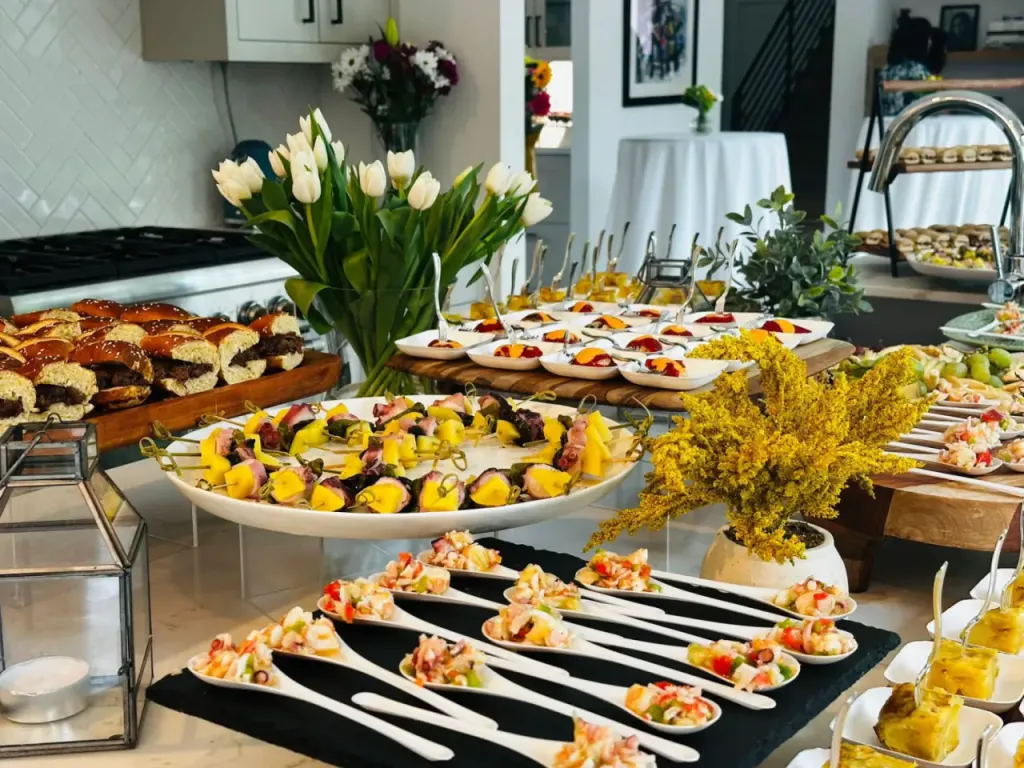
Pintxo country. The bars of San Sebastián and Bilbao, where the counter is loaded with small bites pinned together with toothpicks and you order one, then another, then one more. Gildas, the skewer of olive, anchovy, and piparra, was invented here. So was tarta de queso vasca, the burnt Basque cheesecake that took over American dessert menus a few years ago. We make ours the way it's made there.
Cataluña
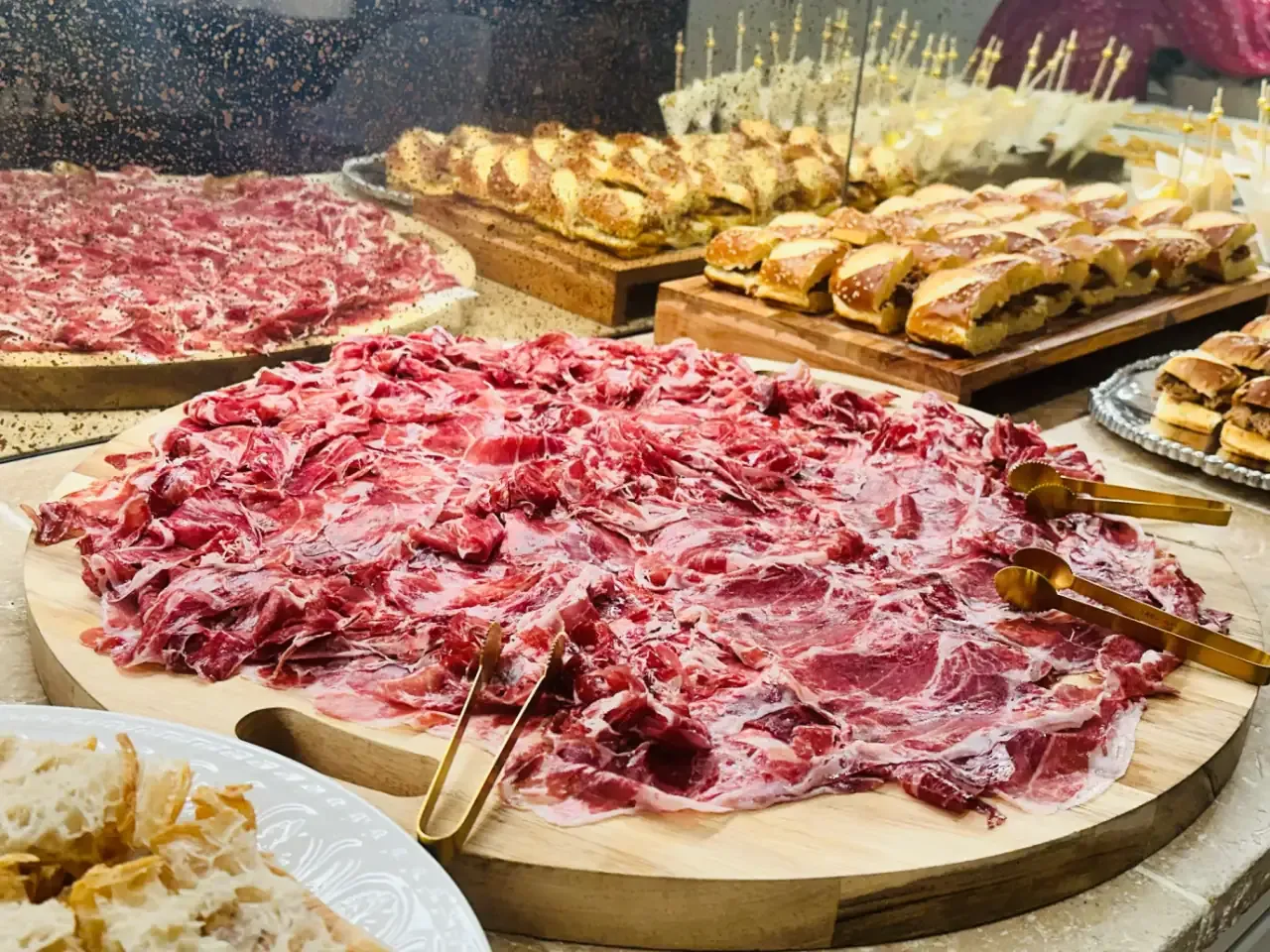
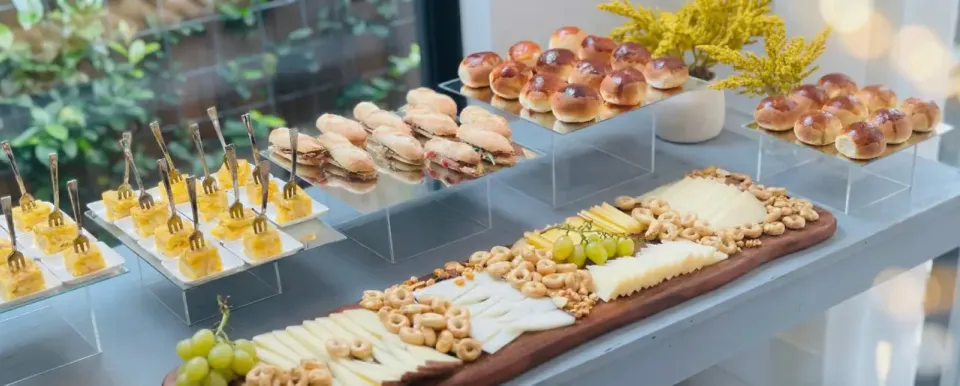
Barcelona on the Mediterranean coast, the markets of La Boquería, the long lunches that run into late afternoon. Pan con tomate, bread rubbed with ripe tomato and good olive oil, is the everyday Catalan opener, the thing that lands on the table before anything else does. Escalivada, charred eggplant and pepper. The charcuterie boards we set up at events are Catalan in their bones.
Andalucía
The deep south. Sun, sherry, flamenco, and salmorejo, the cold tomato soup from Córdoba that's like gazpacho's thicker, brighter cousin, finished with hard-boiled egg and shavings of jamón. Most of the great jamón ibérico in Spain comes from here, including the 5J we serve. The Andalusian table is generous and slow, and so is the part of our menu that comes from it.
Valencia
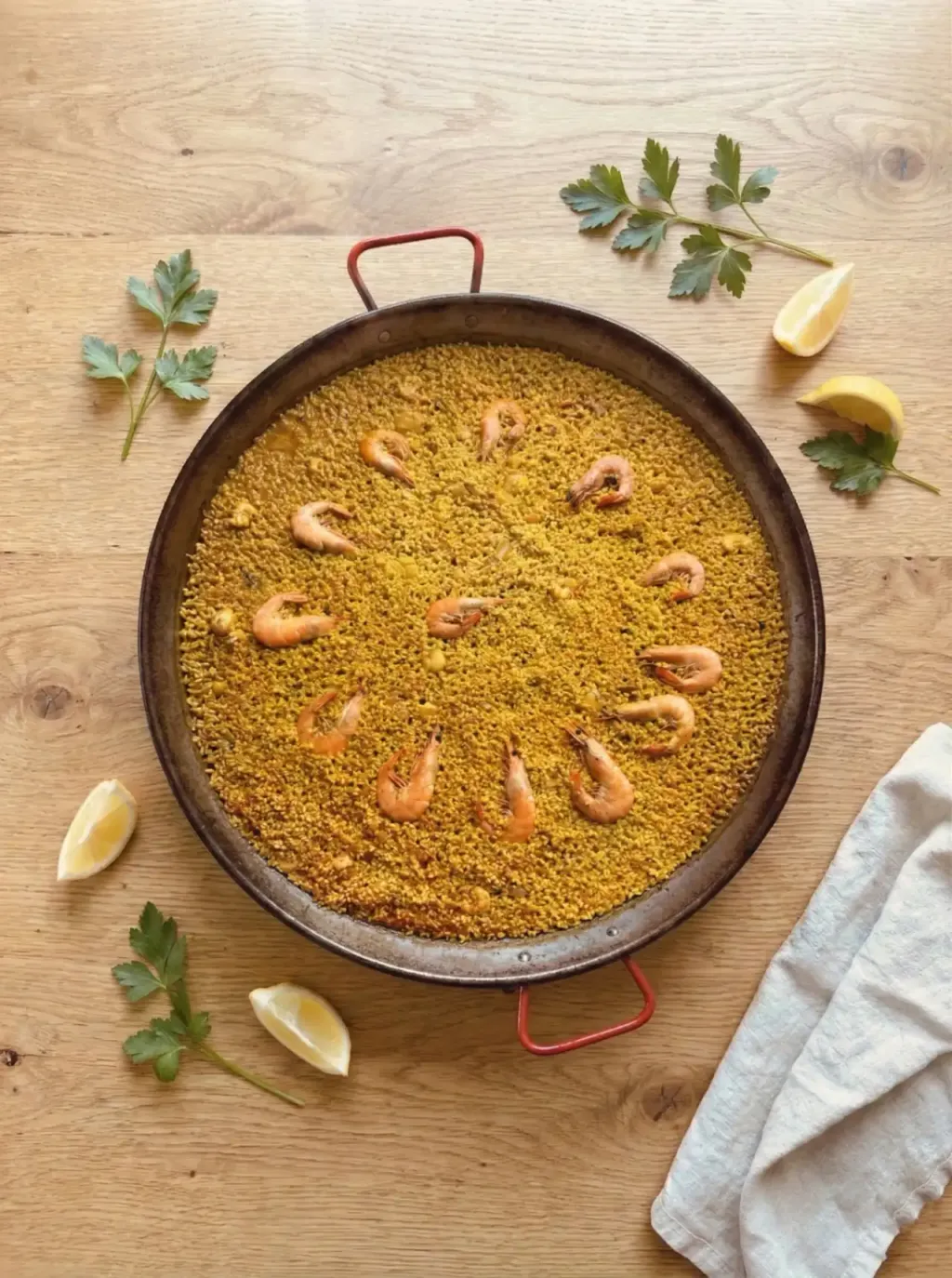
The Albufera lagoon south of the city, the rice paddies that have been there since the Moors, the open-fire cooking that gave the world paella. Valenciana, chicken, rabbit, garrofón, green beans, saffron, paprika, Bomba rice, is the original. We cook it in front of the room because that's where it belongs.
Islas Baleares
Mallorca, Menorca, Ibiza. Sobrasada, the soft, paprika-cured sausage that spreads like butter on bread, comes from Mallorca. Queso de Mahón, the cow's-milk cheese named after the Menorcan port, lives on every charcuterie board we set. The Balearic islands sit in the Mediterranean but cook from a tradition all their own, and we keep room for them on the menu.
And what we don't claim to cook
Spain is bigger than this list, and a few regions sit just outside our pantry. Madrid, where the cooking is its own thing, cocido madrileño, callos a la madrileña, is a city we love but cook from sparingly. The Canary Islands have their own kitchen, papas arrugadas and mojo and fish straight off the boat, and we don't pretend to know it from the inside. Aragón, La Rioja, Murcia, Extremadura, beautiful regions, real food traditions, and we'd rather mention them honestly than fake the depth. The regions on our menu are the ones we've eaten in for years and the ones our mothers cooked. The rest, we leave to caterers who know them better.
We don't claim to cover all of Spain. Just the parts of it we know well enough to cook with someone else's name on the menu. Every region we serve, we've eaten in. The food on the table at a Cantábrico event isn't a tour, it's a household. The regions on our menu are the regions in our pantry, the regions in our recipe cards, the regions our mothers and grandmothers cooked in. Cooking from this many regions credibly is a long apprenticeship; we've been at it our whole lives, and we're still learning. That's what shows up at your event.